
Marine vs. bovine collagen: which fits you?
Compare collagen sources, serving amounts and buying criteria before paying for a premium.
Choose by dietary fit first. Then compare equal collagen amounts and the delivered price. Neither source earns a better-results claim from its name alone.
See what to look for ↓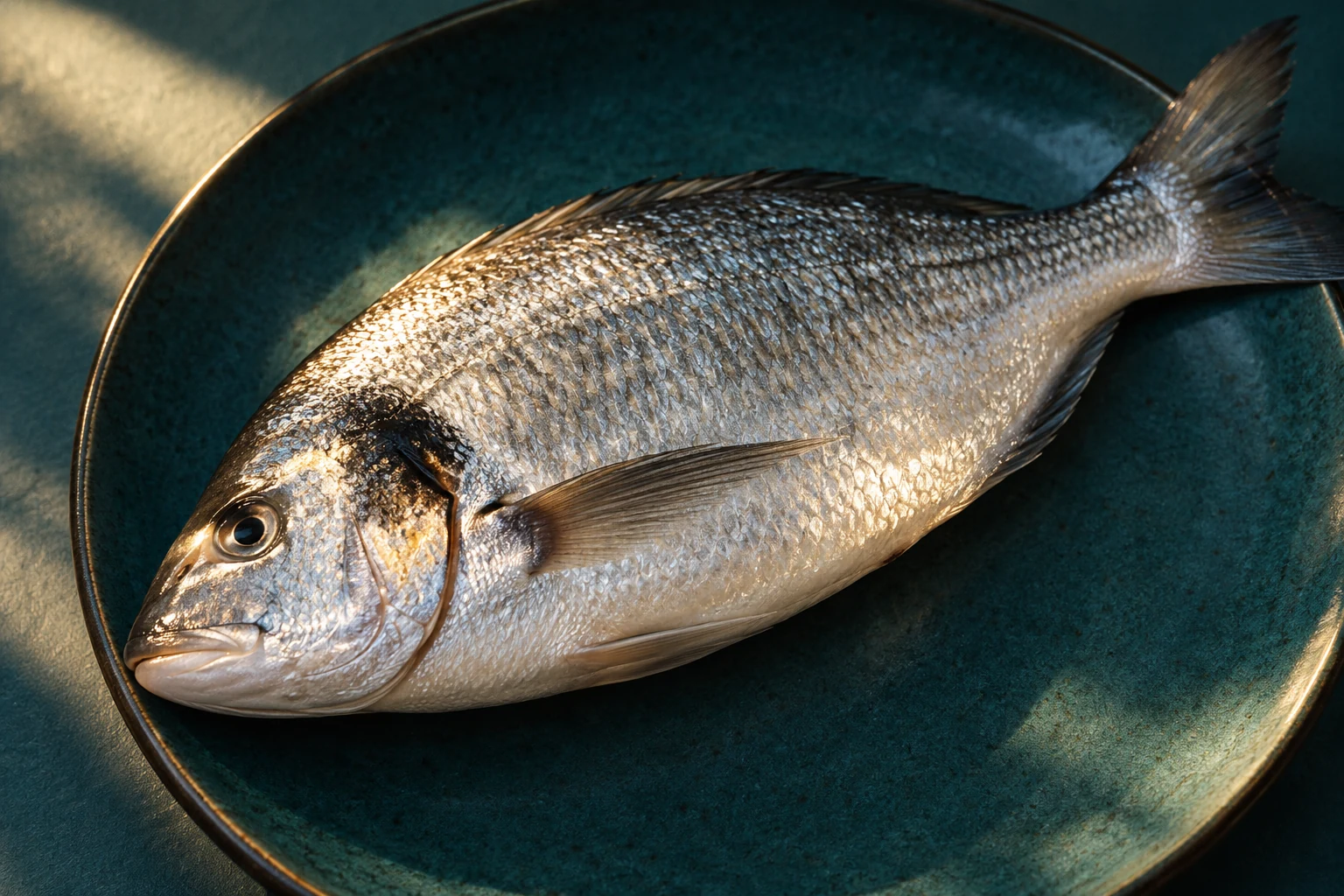
Start with the source you can use
Bovine collagen comes from cattle. Marine collagen commonly comes from fish, but the exact source should be stated. Traditional collagen supplements are animal-derived; a plant-based “collagen support” product is a different formulation. Source background.
A simple source decision
Marine vs. bovine at a glance
| Question | Marine | Bovine |
|---|---|---|
| Dietary source | Check exact fish or other marine species | Cattle-derived |
| Allergen check | Read fish identification and full warnings | Read the full label; do not assume allergen-free |
| Vegan? | No, for conventional fish collagen | No |
| What decides value? | Declared collagen quantity and delivered price | The same calculation |
| Better results? | Source name alone cannot establish superiority | Source name alone cannot establish superiority |
If you have a fish allergy, do not assume hydrolysis makes fish-derived collagen suitable. Choose with your allergy clinician’s advice. Similarly, “bovine” does not tell you whether a product meets a specific religious certification or has cross-contact warnings. Check the finished product.
Are marine products better absorbed?
Absorption claims need context: compared with what, measured how, and at what amount? A blood measurement after one dose does not establish a visible long-term skin benefit. We have not established a marine-versus-bovine clinical winner from the sources reviewed here.
The 2025 skin meta-analysis found no significant benefit in its higher-quality subgroup. That uncertainty remains when choosing a source; a marine label does not resolve it. Skin evidence.
Servings can hide a quantity difference
For a real label example, Vital Proteins lists 20 g of collagen per serving for its unflavored bovine peptides and 12 g for its marine product. Neither is a dose recommendation from us. Select the exact product variant before comparing. Bovine page · Marine page.
Compare grams before counting servings
Use this formula for the tub you actually intend to buy:
Use collagen amount per serving × servings for total collagen; treat rounded serving counts as approximate.
Ten grams is a price-normalization unit, not a suggested dose. Do not substitute total powder weight when other ingredients are present. We have not published a price ranking here because package choices and promotions need an exact variant match.
What else deserves a place in the decision?
Ask whether the seller supplies product-specific testing information. “Wild-caught,” “grass-fed” and “premium” describe different attributes; none is a substitute for contaminant testing. If sustainability is your reason for paying more, look for a named certification and a verifiable claim rather than assuming every marine source is preferable.
We cannot tell you which tastes better or dissolves more easily without testing. For now, our recommendation is based on dietary fit, disclosed quantity and value. If neither product fits your needs or budget, you do not need to choose either.
Sources & research notes
Checked October 7, 2026. This guide combines published research and label information with our editorial buying criteria. Manufacturer pages establish product details, not independent proof of benefit. No hands-on testing or medical review.
- Harvard: collagen sources
- 2025 skin-aging meta-analysis
- Vital Proteins: bovine label example
- Vital Proteins: marine label example